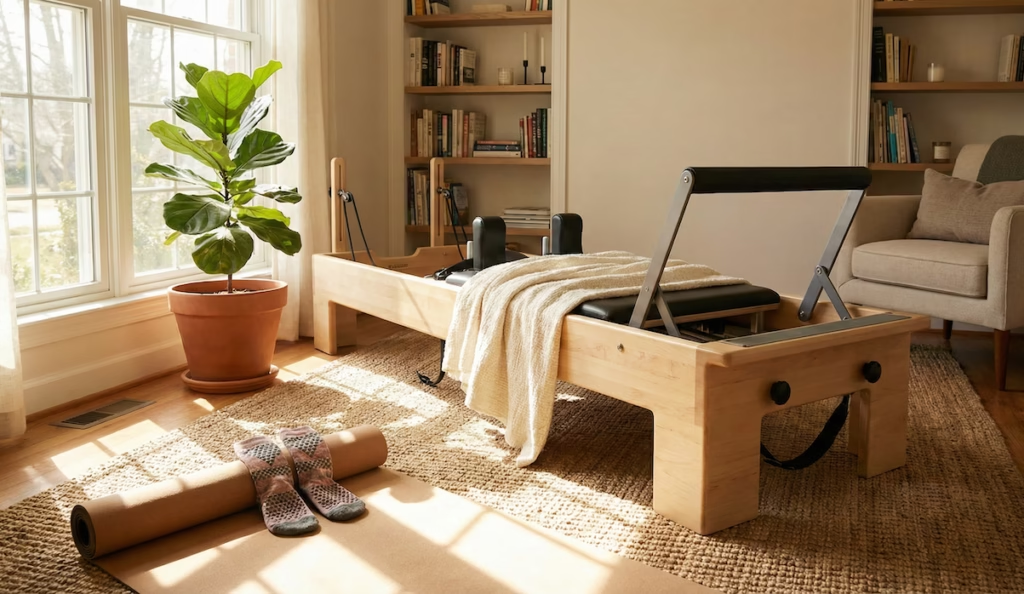
Quick Comparison: Top 3 Picks for 2026
In a hurry? Here is how our top favorites stack up this year.
| Mat Name | Best For… | Thickness | Material | Check Price |
|---|---|---|---|---|
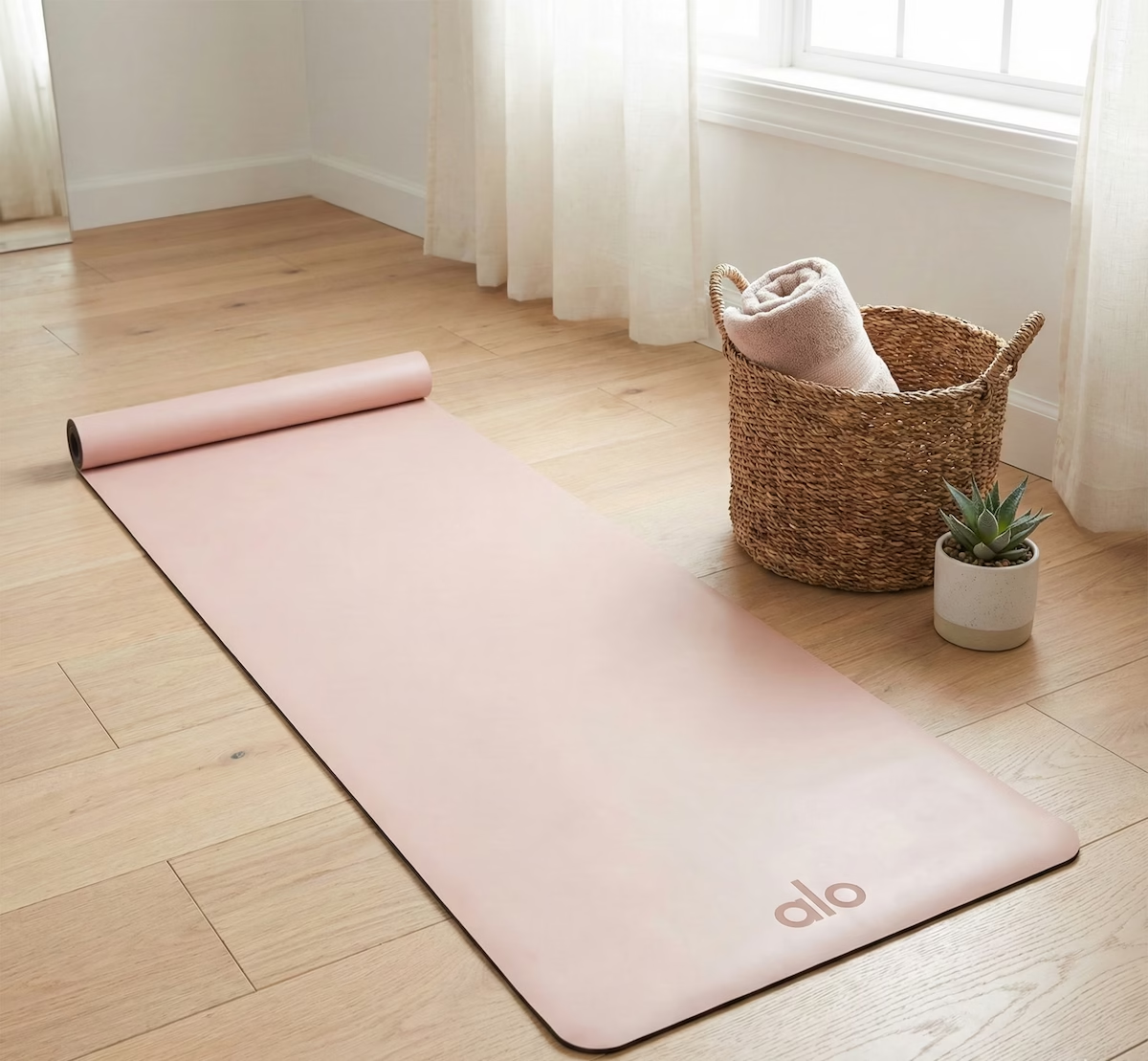
| Liforme Yoga Mat | Hardwood Floors (Best Grip) | 4.2mm | Natural Rubber | Best Price in Amazon |
| BalanceFrom | Sensitive Joints (Max Cushion) | 13mm | NBR Foam | Best Price in Amazon |
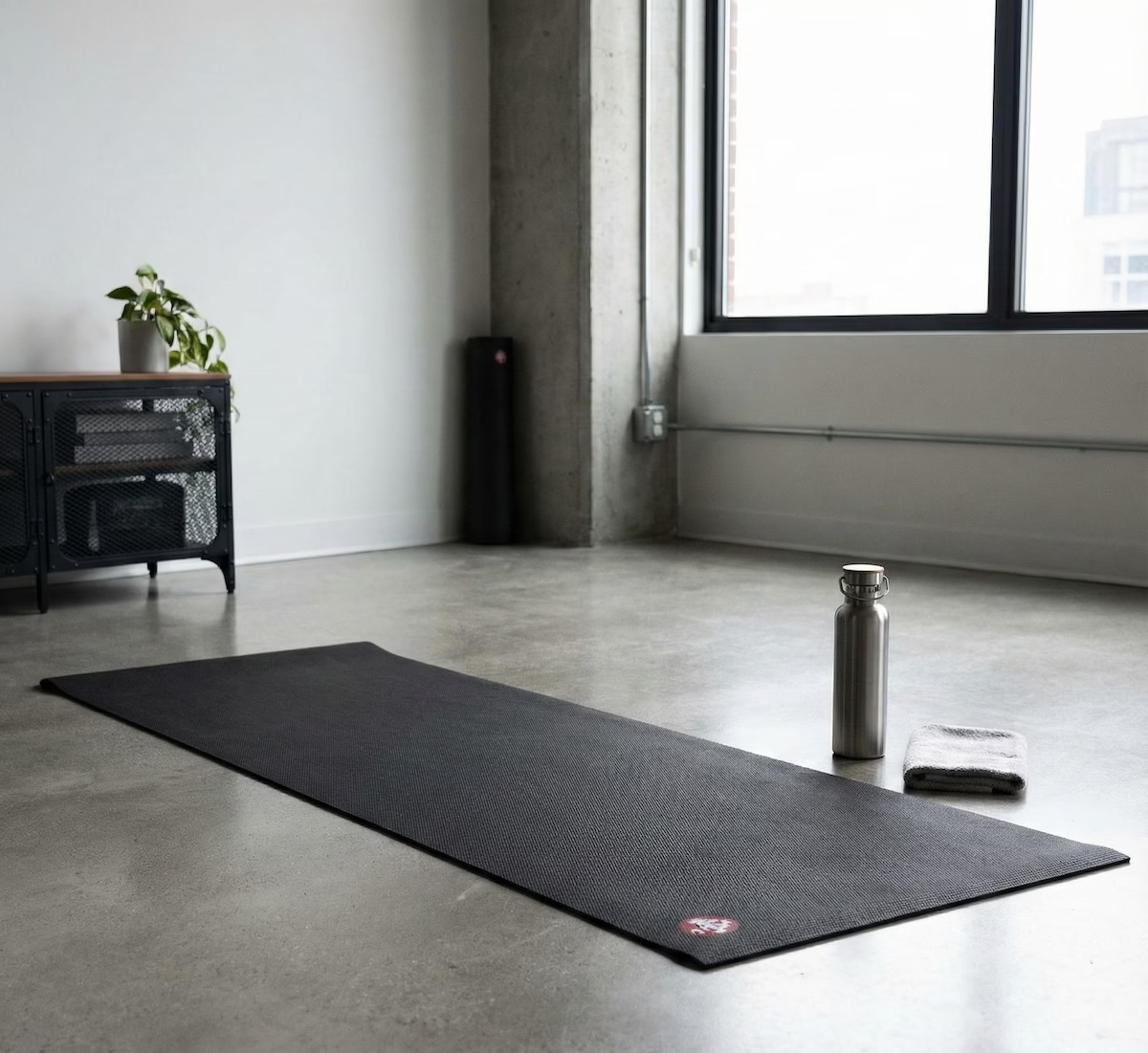
| Manduka PRO | Lifetime Durability | 6mm | PVC (Closed Cell) | Best Price in Amazon |
Why Your “Yoga Mat” Might Be Failing You
You might be wondering, “Can’t I just use the yoga mat I bought five years ago?”
The answer is usually no. Here is why.
Pilates is fundamentally different from Yoga. In Yoga, you stand for long periods, focusing on balance. In contrast, Pilates requires you to spend a lot of time on your back and stomach. This means you have different needs:
The Spine Factor: Pilates requires you to roll on your spine. A thin 3mm yoga mat offers zero protection for your vertebrae against a hard wood floor.
- The Spine Factor: Pilates requires you to roll on your spine. A thin 3mm yoga mat offers zero protection for your vertebrae against a hard wood floor.
- The Sliding Factor: Many cheap mats are made of light foam. When you push off for a side kick, the entire mat might slide across the floor. You need a heavier, denser mat that anchors itself to the ground.
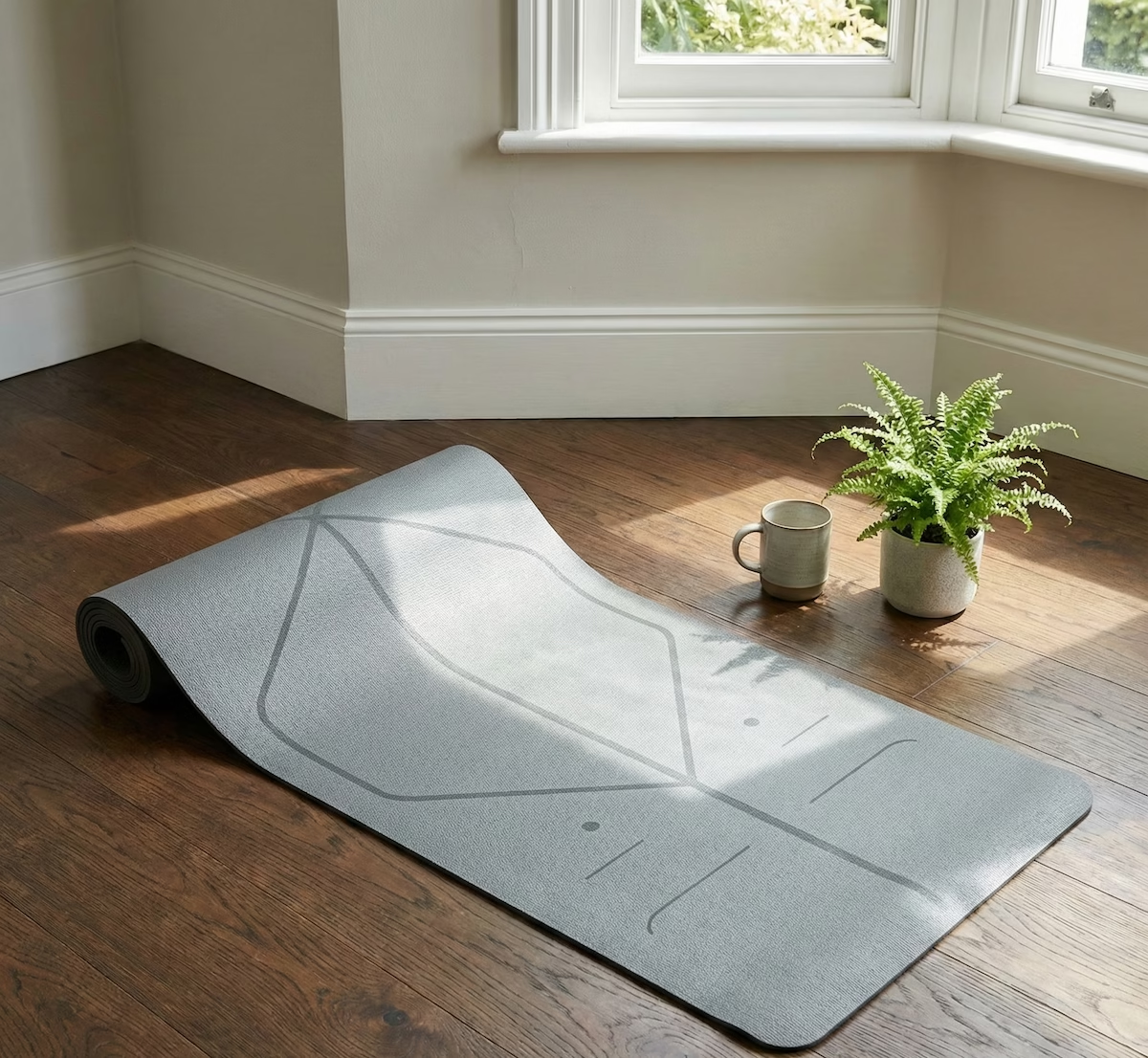
The Best Mats for Hardwood Floors (Ultimate Grip)
If your home studio has wood, laminate, or tile flooring, your number one priority is traction. You need a mat with a heavy natural rubber base that creates a “vacuum seal” with the floor.
The Best Mats for Sensitive Joints (Maximum Cushion)
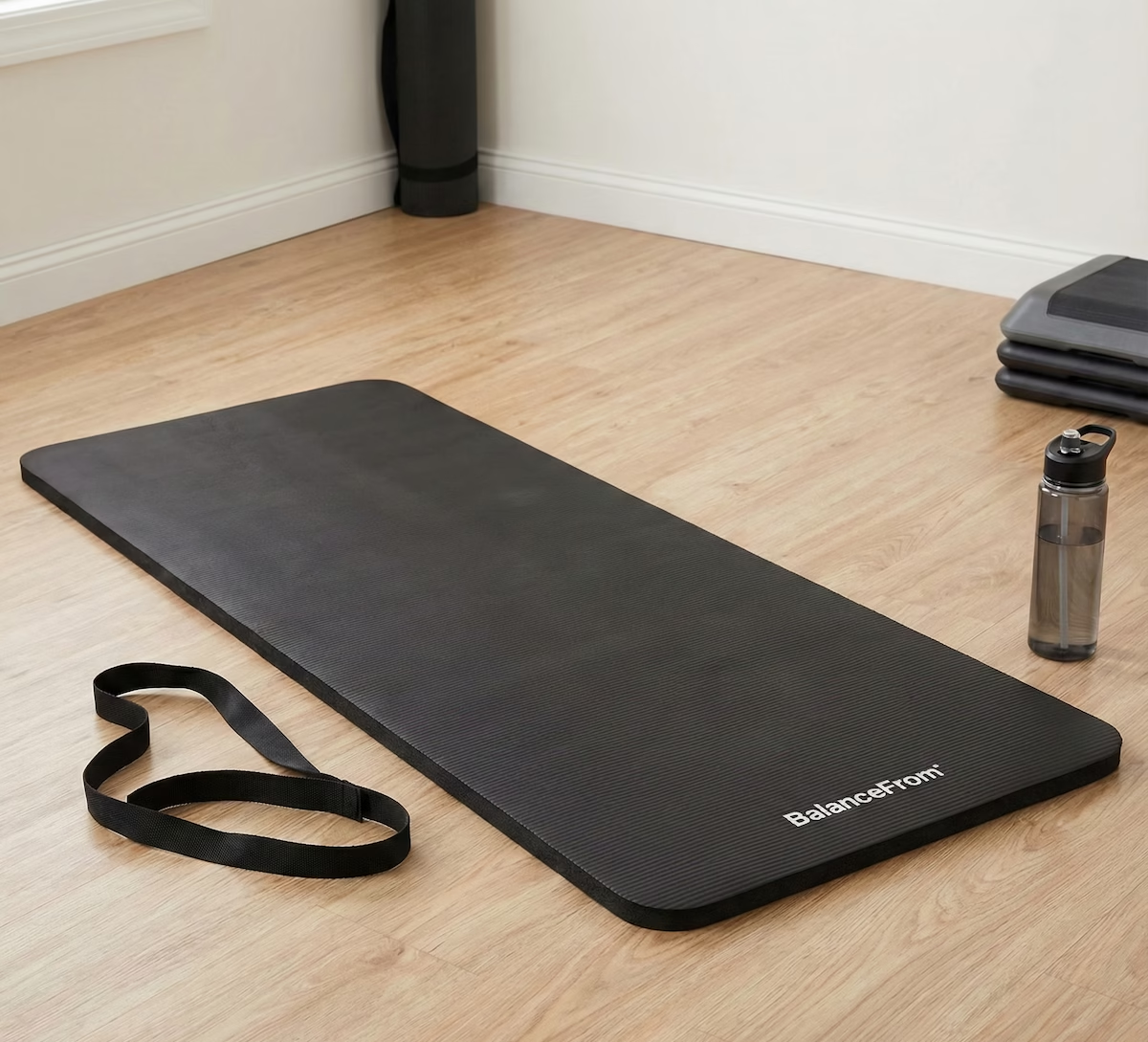
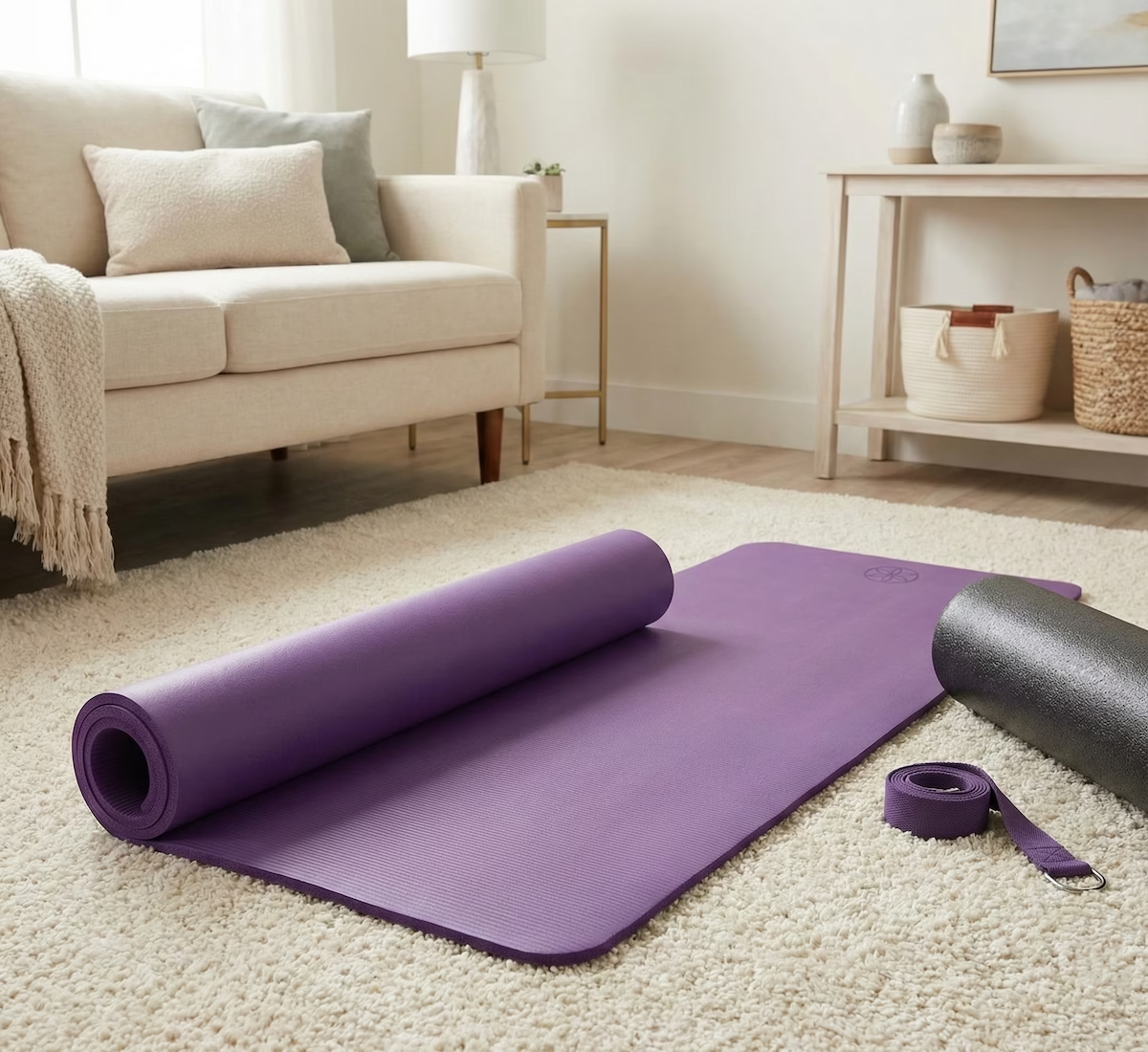
If you have hardwood floors but your primary concern is knee pain or a sensitive tailbone, you need to sacrifice a little bit of firmness for a lot of foam. Look for NBR foam mats that are at least 10mm thick.
The Best “Hybrid” Studio Mats (Durability & Performance)
These mats attempt to give you the best of both worlds: enough cushion to protect your joints, but enough firmness to keep you balanced.
Buyers Guide: How to Choose the Right Mat
Still unsure? Here are the three factors you must consider before buying.

1. Material Matters
• Natural Rubber (e.g., Liforme): Best for grip. It is heavy and eco-friendly but can degrade in the sun.
• PVC (e.g., Manduka): Best for durability. It lasts forever but can be slippery at first.
• NBR Foam (e.g., BalanceFrom): Best for cushion. It is cheap and soft but can tear over time.
2. Thickness vs. Stability
There is always a trade-off. A thicker mat (10mm+) saves your spine but makes balancing on one leg difficult. A thinner mat (4mm) is great for stability but might require you to double it up for rolling exercises.
3. Texture and Grip
If you have dry hands, a smooth PVC mat is fine. However, if you sweat even a little, look for “open-cell” natural rubber mats. They absorb moisture to prevent slipping, which is a safety essential for advanced Pilates moves.
How to Care for Your Mat (So It Lasts)
Since you are investing in your home practice, you want your mat to last through 2026 and beyond. Here is the golden rule for Pilates mats:
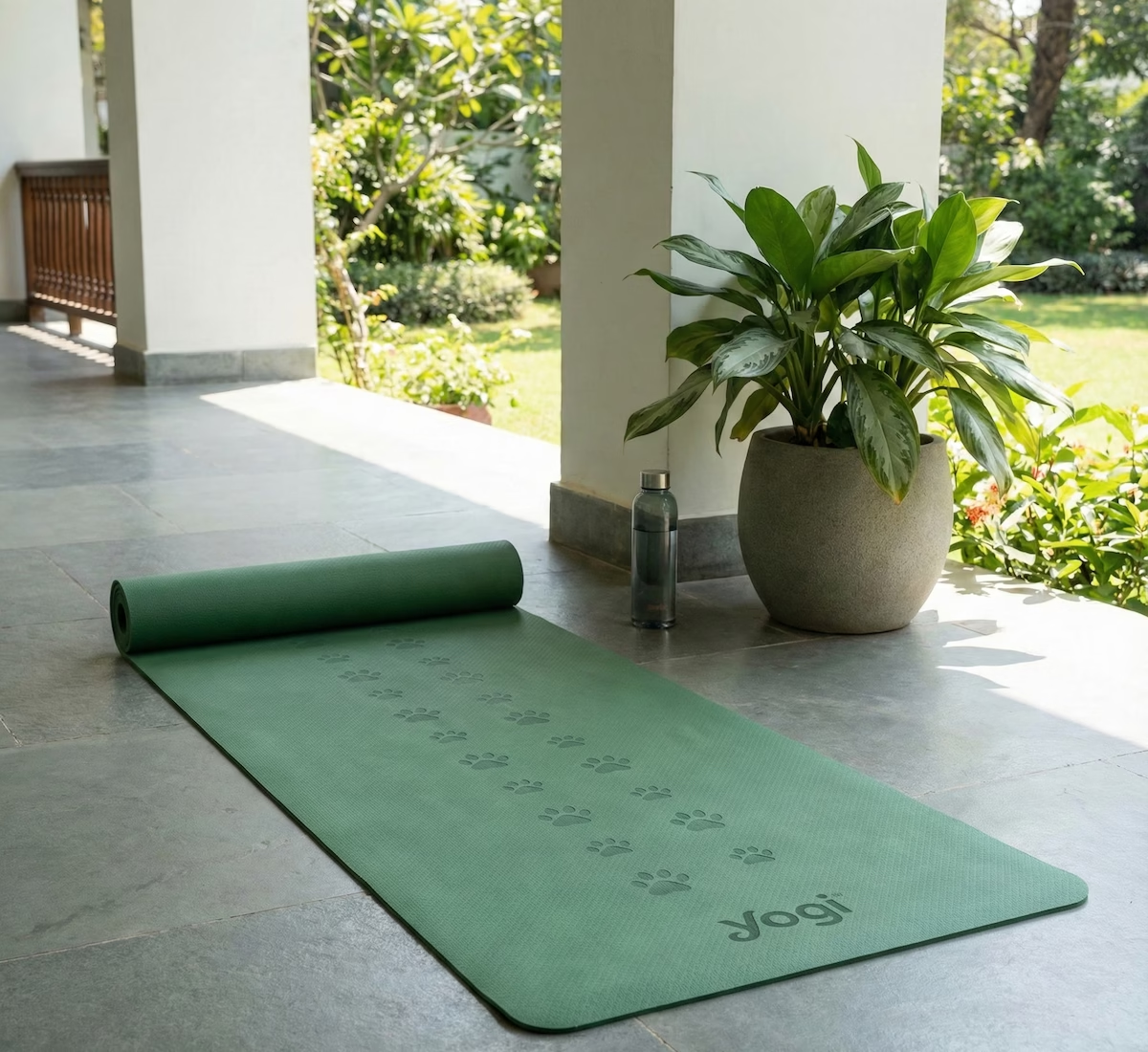
- Avoid the Sun: Natural rubber mats (like Liforme and Yogi Bare) will degrade and lose their grip if left in direct sunlight. Store them in a cool corner.
- Cleaning: For closed-cell mats (Manduka/BalanceFrom), a simple wipe down with water and a drop of dish soap works. For open-pore mats (Liforme), use water only or their specific cleaner to avoid clogging the grip.
Final Thoughts: Which One is For You?
Choosing a mat comes down to knowing your floor and your body.
- Choose the Liforme if you have slippery wood floors and want the best grip money can buy.
- Choose the BalanceFrom if your knees hurt easily and you want pure comfort.
- Choose the Manduka PRO if you want a studio-quality investment that will last for decades.
Your mat is the island where you escape the chaos of the day. Choose one that makes you excited to roll it out.
Explore More:
Best Setting Spray for Sweat & Post-Workout Cleansers ’26
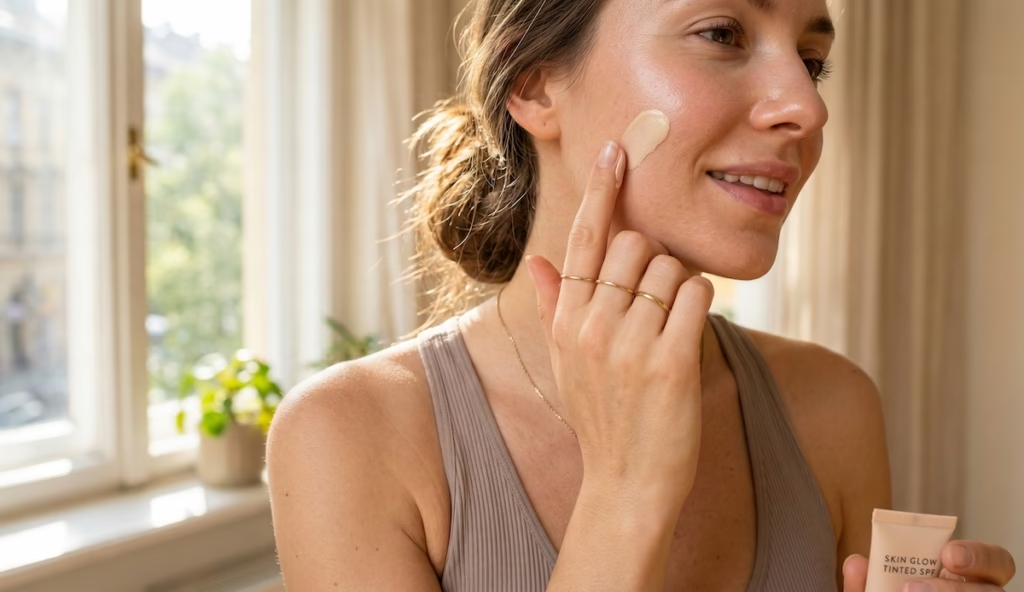
The Best sweat resistant foundation for Pilates (2026)
Best Non Comedogenic Cream Blush & Lip Tints for Pilates ’26
The Best Sweat Proof Mascara & Brow Gels for Pilates
The Ultimate Sweat Proof Makeup Guide for Pilates (2026)